Melbourne school zones, explained: how catchments actually work
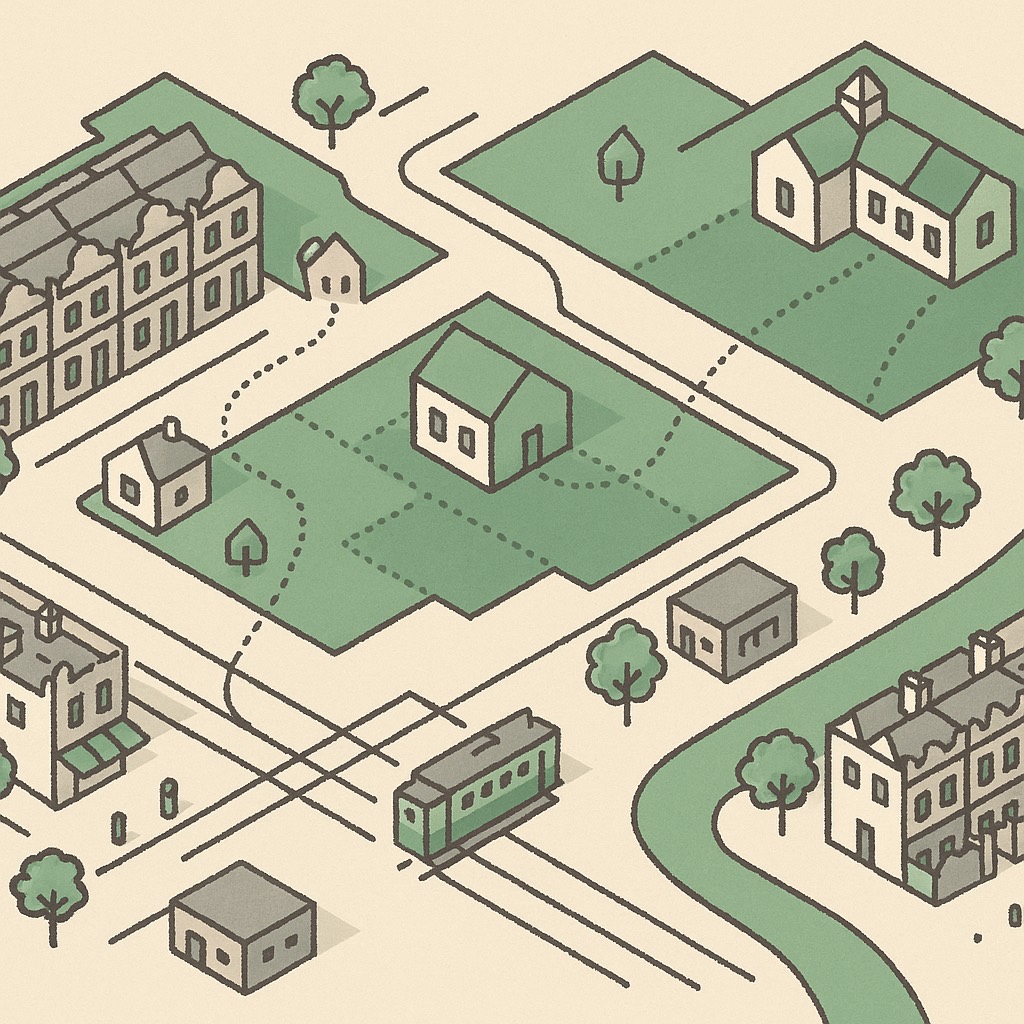
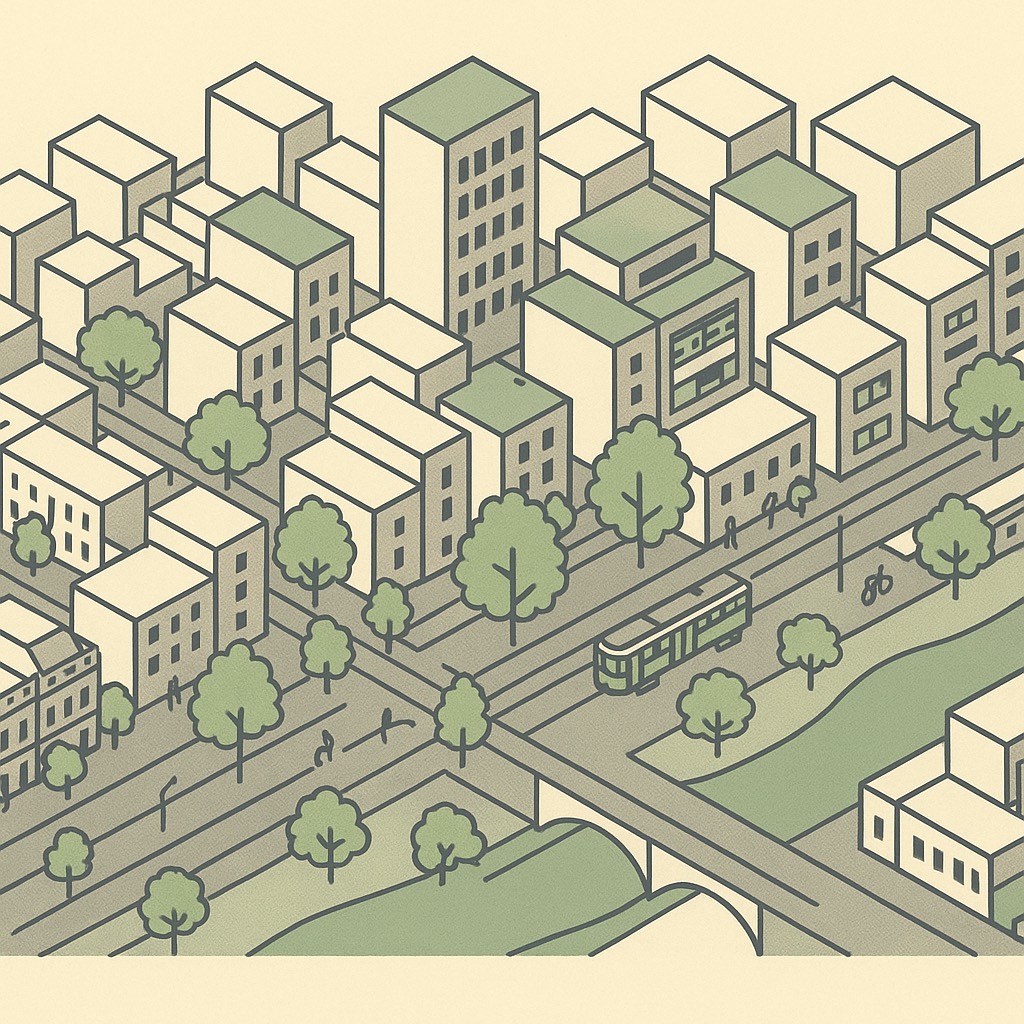
Few maps get studied harder in Melbourne than school zone boundaries — they move rental prices, auction results and family logistics. Yet most people only ever see them as abstract shapes over a street grid. We draw all of inner Melbourne's government school zones over the actual buildings, so you can see exactly which side of the line a block sits on. Here's how the system works.
What a zone actually guarantees
Living inside a school's zone guarantees your child a place at that school — that's the whole promise, and it's a strong one. It does not lock you in: you can apply to any government school, and schools take out-of-zone students when they have room. But when a popular school fills up, the zone is the only thing that counts, which is why the boundaries carry so much weight.
Why your zoned school isn't always the nearest one
Zones follow enrolment planning — projected student numbers, building capacity, future development — rather than plain distance. In the dense inner city the effects get sharp: a Carlton block can be zoned to Carlton Gardens Primary while the street behind it feeds Princes Hill Primary, and both households walk past a third school on the way. Suburb names tell you almost nothing; the boundary itself is the only truth.
One address, several zones
- Primary — every address has a zoned P–6 school.
- Secondary — a separate Year 7 entry zone; inner Melbourne standouts like University High and Albert Park College have some of the most watched boundaries in the state.
- Campus splits — colleges such as Collingwood College run multiple year-level campuses, so senior years can zone differently from Year 7.
That's why one address is usually “in the zone” for two or three schools at once — a primary, a secondary, and sometimes a senior campus.
Renting into a zone
Enrolment goes by where you live, not what you own — a lease inside the zone counts. Agents know it, which is why listings shout “in the UHS zone” and why the same floor plan can rent for more on one side of a boundary street than the other. If a zone is the reason you're moving, verify the exact address before signing anything: boundaries run down the middle of streets, and they do get redrawn.
How to check properly
Start visually: open the zone layer on our map and click the building you care about — you'll see each zone it falls in, drawn over the real streetscape, and every school links to its own page. Then confirm the address on the Department of Education's official Find My School — zones are redrawn each year, and that's the authoritative source for the enrolment year you need.